Monitored vs. Unmonitored Security Systems: Clinton, CT Experts Compare Options
Most property owners think of a break-in as a nighttime risk, yet Protect-U-Services, a security company serving
Press Release Disclaimer: This is a press release distributed through the XPR Media network. It has not been independently verified by our newsroom.

Most property owners think of a break-in as a nighttime risk, yet Protect-U-Services, a security company serving Clinton, CT, points out that most burglaries happen during normal business hours, when homes are empty and no one is around to notice. The gap between when a property is vulnerable and when someone is present to react is where the choice between a monitored and an unmonitored security system matters most. Both types detect intrusions, but they handle what comes next in very different ways. Understanding those differences helps owners match a system to how their property is actually used.
How a Monitored Security System Works
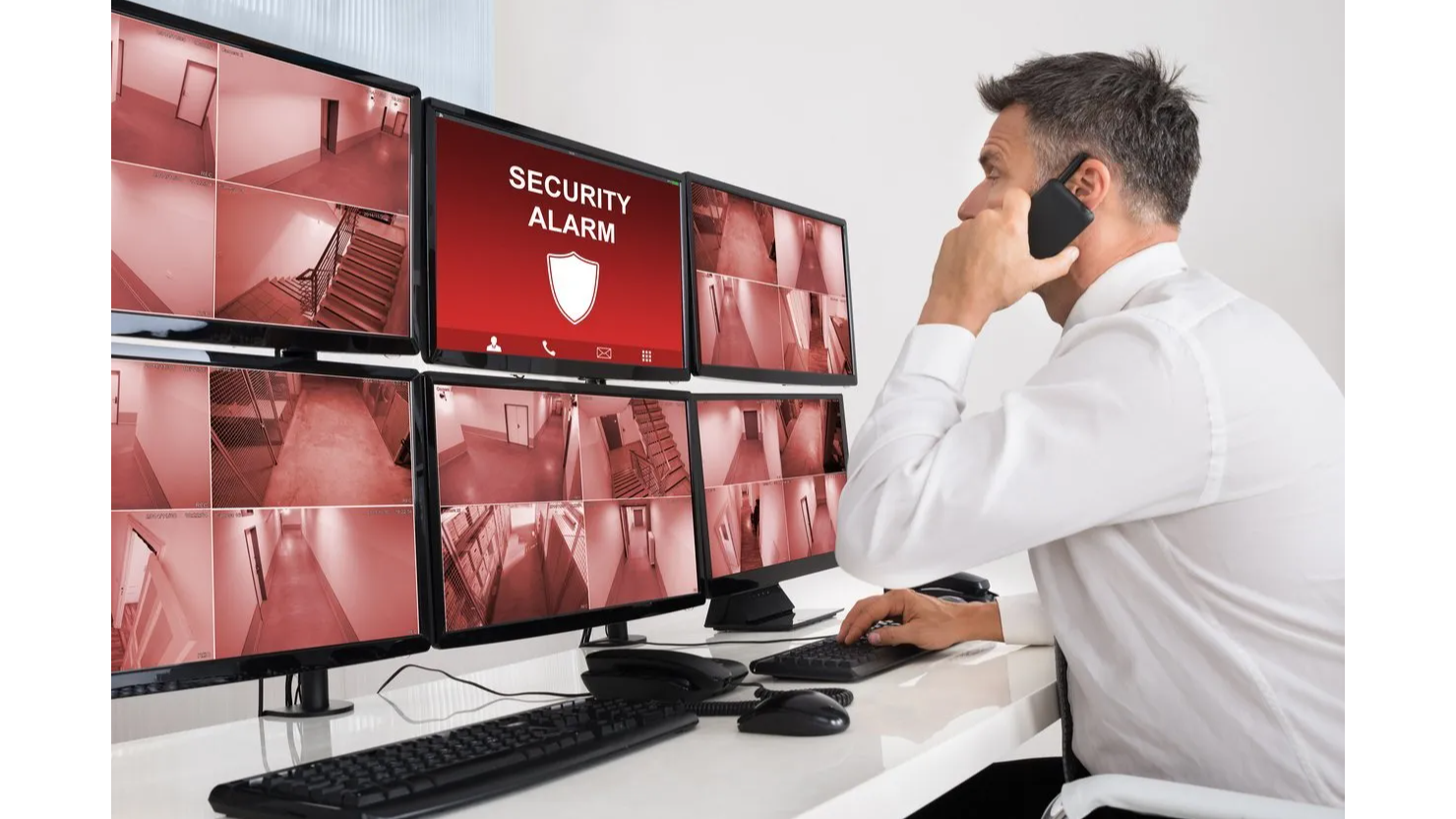
A monitored system connects sensors, control panels, and alarms to a staffed monitoring center that watches for signals around the clock. When a door contact, motion sensor, or smoke detector is triggered, the alert goes to trained operators instead of only sounding on site. Operators typically verify the alarm, then contact police, the fire department, or emergency medical services as needed.
This setup does not depend on the owner seeing a notification or being close enough to act. For anyone who travels often, owns a second home, or manages a building that sits empty after hours, that independence is the main advantage. Many monitored systems also cover more than intrusion, including fire, panic buttons, and temperature changes that could signal a heating failure.
How an Unmonitored Security System Works
An unmonitored, or self-monitored, system relies on the owner. When a sensor is triggered, the system sounds a local siren, and many models send a phone notification or app alert. The owner then decides whether to check cameras, call a neighbor, or contact police.
These systems usually cost less because there is no ongoing monitoring fee, and they can still deter intruders through visible equipment and loud alarms. Their effectiveness, however, depends entirely on someone seeing the alert and responding in time. A missed notification during a meeting, a flight, or a night’s sleep means no one acts.
Where the Two Options Differ Most
Response is the clearest difference. A monitored system brings in emergency services whether or not the owner is reachable, while an unmonitored system can only be as fast as the person receiving the alert.
Cost follows closely. Unmonitored systems generally involve only equipment and installation costs, while monitored systems add a recurring service fee. Owners should weigh that fee against the value of what the property contains and how long it is left unattended.
Reliability during disruptions also varies. Professionally monitored systems often include backup power and fault protection, so an outage or equipment malfunction does not silently disable protection. A self-monitored setup that relies on home Wi-Fi may stop sending alerts when the power or internet goes down.
Fire coverage is another gap. A local smoke alarm helps only if someone hears it, which makes monitoring especially important for buildings left empty.
Matching the System to How a Property Is Used
An unmonitored system can suit an apartment or a home that is occupied most of the time, where residents are nearby to respond and want basic deterrence at a lower cost.
A monitored system makes more sense for properties left empty for long stretches, such as seasonal homes, rentals between tenants, or homes on the market. It also suits businesses that close overnight or store inventory, records, or equipment, as well as households with older family members who may need emergency help quickly.
Questions to Ask Before Choosing Between Them
Before deciding, owners can ask how often the property is unoccupied, who would realistically respond to an alert, and how the system behaves during a power outage. It also helps to ask whether the system can expand to include fire, temperature, or camera coverage later. Protect-U-Services notes that understanding how a system handles power loss and remote monitoring is often what separates a reliable setup from one that falls short when it matters most.
Protect-U-Services LLC
Guilford
Guilford
CT
06437
United States